







Magnesium

For men & women
Earliest reports in

18 hours

Contains

1 test

Know more about this test

A magnesium blood test is performed to measure magnesium levels in the blood and to monitor treatment efficacy of magnesium supplements. Magnesium is a mineral that plays an essential role in metabolism, nerve functioning, and maintenance of healthy bones. Its deficiency can cause symptoms such as muscle weakness, irregular heartbeats, and muscle twitch.
A level lower than the normal amount is called magnesium deficiency, it may be a sign of malnutrition and diabetes. If your results show a higher than normal amount of magnesium, it may be a sign of dehydration and kidney disease.

Find out
Why is this test booked?


Preparation for this test
Powered by

Tata 1mg Labs



Highly skilled
technicians

Quality
assured

Verified
reports
Know more about lab

Packages containing Magnesium

Vitamin and Mineral Screening Package
Contains 10 testsGet reports within 24 hrs
₹2089

Aarogyam X With UTSH
Contains 110 testsGet reports within 60 hrs
₹4499

Prime Health Package-1
Contains 53 testsGet reports within 24-48 hrs
₹4491
Prime Health Package-2
Contains 61 testsGet reports within 24-48 hrs
₹8991

Pre Chemotherapy Package
Contains 27 testsGet reports within 12-24 hrs
₹3450

Fitness Premium Package for Women with Smart Report
Contains 63 testsGet reports within 132 hrs
₹9999

Nutrition Checkup
Contains 40 testsGet reports within 24-36 hrs
₹1699
Test Information is reviewed by: Dr. Swati Gupta (Anand), MBBS, MD Lab Medicine and written by Dr. Lipika Khurana, BDS, PGDHHM . The test details are for information purpose only. Consult a doctor before taking any test. Last updated on: 17th Mar 2026
Did you find information useful ?
 YES
YES  NO
NO 
Book a Magnesium test at home near me
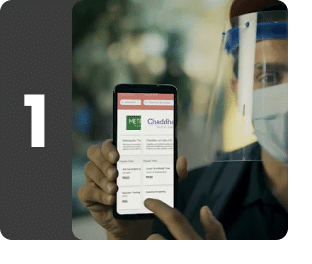
Easy online booking
Search for tests and packages, book a time and select address for seamless at-home lab tests.
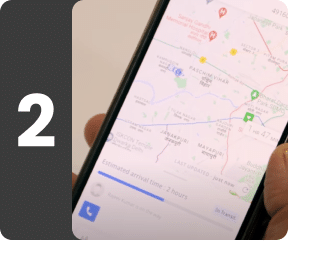
Live tracking of phlebotomist
Stay informed with live tracking of our phlebotomist's location for seamless sample collection.
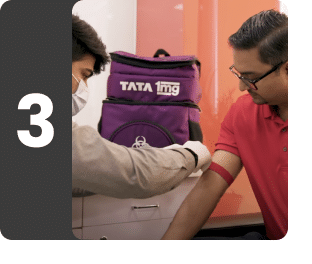
Safe collection
Our phlebotomists follow strict safety protocols to collect samples at home on time.
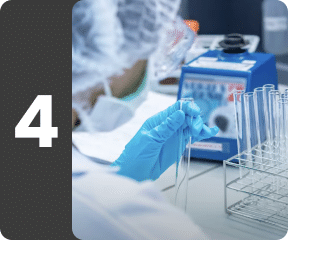
Sample received at lab
Your sample is bought to our laboratory for testing by our qualified experts.
Quick reports, free follow up
Reports are sent to your email. A free doctor follow up is provided to understand the report better




Recommended for everyone
This package is designed with everyone’s overall health considerations in mind, offering assessments to address a wide range of wellness needs.
Contains 1 test
Report delivery
Standard time
18 hrs
For slots after 11 AM, report will be delivered in 24 hours.
Preparations
1
No special preparation required
Why is this test booked?