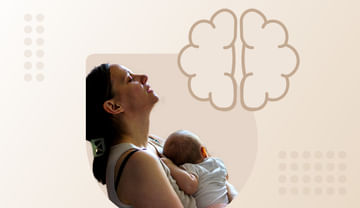
Pregnancy and childbirth are significant turning points in a woman's life. Most new mothers experience the "baby blues" after childbirth. These include a range of emotions from joy and pleasure to sadness and crying bouts, mood swings, irritability, anxiety, being overwhelmed,etc.
While women experiencing baby blues tend to recover quickly, around one in seven women can develop postpartum depression (PPD). PPD tends to last longer and severely affects women's potential to return to normal function. The onset of PPD can occur either during pregnancy or in the four weeks following delivery.
Also, postpartum depression is not a condition that is exclusive to mothers. Fathers can experience it as well. Many biological, psychological, emotional and social factors play an important role in predisposing to the development of this illness.
PPD may present as feelings of profound anger, sadness, irritability, guilt, lack of interest in the baby, changes in eating and sleeping habits, trouble concentrating, thoughts of hopelessness and sometimes even thoughts of harming the baby or themselves.
There is a growing need to incorporate mental health screening into routine primary care for pregnant and postpartum women, followed by treatment or referral and follow-up care. Treatment usually includes psychotherapy and antidepressant medications.