


Sign in to your account
or
By signing in you agree to our
Terms & conditions
 and 
Privacy policy
Rickets

Rickets

Dr. Sakshi Sharma
Written By Dr. Sakshi SharmaBDS
Reviewed By Dr. Varun Gupta
MD Pharmacology, MBBS
Last updated on: 27 Sep 2022 | 06:23 PM (IST)
Also known as Vitamin D-dependent rickets, Phosphopenic rickets, Calcipenic rickets, Acquired rickets and Nutritional rickets
Overview

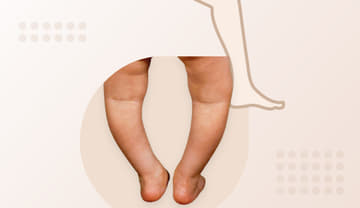
Rickets is a medical condition commonly seen in children. It is characterized by bowed legs and a curved spine, which causes a lot of pain and discomfort. Depending on the type of rickets your child develops, it can be hereditary (genetic in nature) or acquired (because of low consumption of essential nutrients). 

Mainly, a lack of essential nutrients such as Vitamin D, calcium, and phosphorus have been attributed to the development of rickets. Other factors such as living in cold countries, having dark skin, and genetics can also increase the risk of developing rickets.

Mostly seen in children between the ages of 6 months to 2 years, your child can combat the symptoms of rickets with Vitamin D and calcium supplements and high exposure to sunlight. 

Rickets can be prevented by proper exposure to sunlight and having a diet rich in Vitamin D, calcium, and phosphorus. It can also be treated by taking Vitamin D supplements and exposure to sunlight.

Close TOC
Overview
Key Facts
Symptoms
Causes
Risk factors
Diagnosis
Celebs affected
Prevention
Specialist to visit
Treatment
Home-care
Complications
Alternatives therapies
Living with
FAQs
References