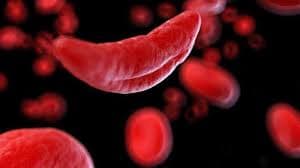
Sickle cell anemia is a rare inherited blood disorder in which the body produces defective hemoglobin (HBSS). This form of hemoglobin causes the RBCs to become rigid and sickle-shaped.
These cells often get stuck and clog the capillaries, leading to insufficient blood supply to different parts of the body. Symptoms include yellow skin, dark urine, whitening of the eyes, tiredness, fussiness, swelling of the hands and feet, and shortness of breath.
Bone marrow transplantation is the only cure for this condition. However, medications and blood transfusions are used to manage the symptoms.
Sickle cell disease impacts the individual physically and emotionally. Seeking good medical care and going for periodic checkups helps avoid complications.