Sign in to your account
or
By signing in you agree to our
Terms & conditions
 and 
Privacy policy
Sjogren’s Syndrome

Sjogren’s Syndrome

Dr. Sakshi Sharma
Written By Dr. Sakshi SharmaBDS
Reviewed By Dr. Varun Gupta
MD Pharmacology, MBBS
Last updated on: 27 Sep 2022 | 06:23 PM (IST)
Also known as Sicca syndrome, Mikulicz's disease, Dacryosialoadenopathia atrophicans, Gougerot-Houwer-Sjogren syndrome, Gougerot-Sjogren syndrome, Keratoconjunctivitis sicca, Keratoconjunctivitis sicca-xerostomia, Secreto-inhibitor-xerodermostenosis and Sjogren-Gougerot syndrome
Overview

Sjogren's syndrome is an autoimmune disorder that decreases the amount of moisture produced by the eyes and saliva by salivary glands. It is named after Swedish eye doctor Henrik Sjogren, who first described the condition. 

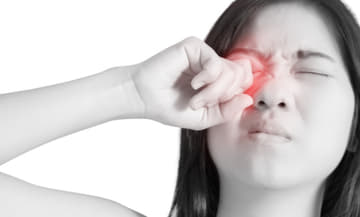
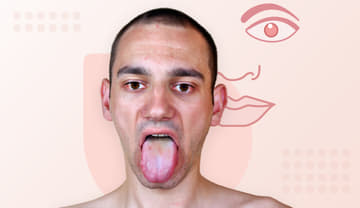
The condition is more common in women and most people who are diagnosed are over the age of 40, but it can develop at any age. Sjogren's syndrome is often associated with other immune system disorders like rheumatoid arthritis and lupus (an autoimmune condition causing inflammation of joints, skin, kidneys, blood cells, brain, heart, and lungs). This syndrome is identified by its two most common symptoms namely dry eyes and dry mouth (also called xerostomia).

Some individuals may be first diagnosed with a rheumatic disorder (such as rheumatoid arthritis or systemic lupus erythematosus) and can later develop the dry eyes and dry mouth (characteristic of Sjogren's syndrome). In general, almost half the people with Sjogren syndrome also have another autoimmune disorder.

The treatment mostly focuses on relieving the symptoms and complications due to dry eyes, dry mouth, and other other symptoms.

Close TOC
Overview
Key Facts
Symptoms
Types
Causes
Risk factors
Diagnosis
Prevention
Celebs affected
Specialist to visit
Treatment
Home-care
Complications
Alternatives therapies
Living with
FAQs
References