


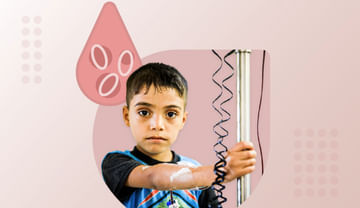
Thalassemia

Thalassemia is a blood disorder that affects many people across the world. It is an inherited disorder which means it is passed on from parents to their children. It is a condition in which a person has less than the usual amount of hemoglobin (an oxygen-carrying protein) in their body.
The primary cause of thalassemia is a mutation in the DNA of the cells that limit the production of alpha or beta chains in the hemoglobin. Depending on which chain is affected, two types of thalassemia may arise - alpha thalassemia or beta-thalassemia. Thalassemia may also be characterized on the basis of its severity. A person with mild symptoms of thalassemia is known to have thalassemia minor. However, a person with moderate or severe symptoms may be considered as thalassemia major. A person may also be a carrier of thalassemia even if they do not show any symptoms of the disease.
For people with a thalassemia minor, regular screening and intake of necessary supplements may be enough. However, people with thalassemia major may require frequent blood transfusions or bone marrow transplants.
Although a genetic disease, thalassemia can be prevented in a child by the parents undergoing specific blood tests before conceiving giving birth. Adopting a healthy lifestyle and following a well-balanced diet can also help manage this condition well.


