






Acitrin L 2.5mg Oral Solution
Written By Dr. Sakshi Sharma, BDS
Reviewed By Dr. Ashish Ranjan, MD (Pharmacology), MBBS
Last updated on 15 Oct 2024 | 11:47 AM (IST)
Acitrin L 2.5mg Oral Solution is given to children to treat a wide range of symptoms caused due to allergic conditions like hay fever, urticaria (hives), conjunctivitis (red, itchy eye), and common cold. These symptoms may include watery eyes, runny nose, sneezing, and itching.
 Genuine
Authenticity Assured
 Prescription
required
MRP ₹55



General Information

The content is shown in English



Safety advice

Alcohol
UNSAFE
Acitrin L 2.5mg Oral Solution may cause excessive drowsiness with alcohol.

Pregnancy
SAFE IF PRESCRIBED
Acitrin L 2.5mg Oral Solution is generally considered safe to use during pregnancy. Animal studies have shown low or no adverse effects to the developing baby; however, there are limited human studies.

Breast feeding
SAFE IF PRESCRIBED
Acitrin L 2.5mg Oral Solution is probably safe to use during breastfeeding. Limited human data suggests that the drug does not represent any significant risk to the baby.
Larger doses or more prolonged use of Acitrin L 2.5mg Oral Solution may cause drowsiness and other effects in the baby or decrease the milk supply
Larger doses or more prolonged use of Acitrin L 2.5mg Oral Solution may cause drowsiness and other effects in the baby or decrease the milk supply

Driving
UNSAFE
Acitrin L 2.5mg Oral Solution may decrease alertness, affect your vision or make you feel sleepy and dizzy. Do not drive if these symptoms occur.
Kidney
CAUTION
Acitrin L 2.5mg Oral Solution should be used with caution in patients with kidney disease. Dose adjustment of Acitrin L 2.5mg Oral Solution may be needed. Please consult your doctor.

Liver
SAFE IF PRESCRIBED
Acitrin L 2.5mg Oral Solution is safe to use in patients with liver disease. No dose adjustment of Acitrin L 2.5mg Oral Solution is recommended.
However, dose adjustments may be required in severe liver disease. Consult your doctor before giving Acitrin L 2.5mg Oral Solution to your child in case of severe liver disease.
However, dose adjustments may be required in severe liver disease. Consult your doctor before giving Acitrin L 2.5mg Oral Solution to your child in case of severe liver disease.

Related lab tests
References
- University of Michigan: C.S. Mott Children’s Hospital. Levocetirizine. [Accessed 22 Jan. 2021] (online) Available from:

- Levocetirizine dihydrochloride [FDA Label]. Smyrna, GA: UCB, Inc.; 2008. [Accessed 22 Jan. 2021] (online) Available from:
- Medline Plus. Levocetirizine. [Accessed 22 Jan. 2021] (online) Available from:
- Levocetirizine dihydrochloride [Prescribing Information]. Smyrna, GA: UCB, Inc.; 2008. [Accessed 20 Feb. 2024] (online) Available from:

Related products
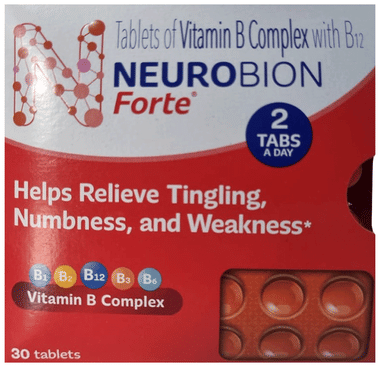
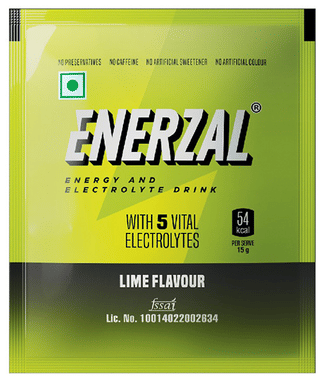
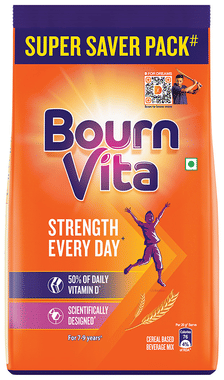
Products related to Acitrin L 2.5mg Oral Solution


100% genuine products

Safe & secure payments

No contact delivery

Fully sanitized facilities
Patient concerns
Allergic skin conditions in leg

Dr. Atula Gupta
Dermatology
kindly send the Pictures of affected area.
Ive got tested for hiv after 4 months of possible exposure (not sure if partner was +ve and sex was with condom) and results were negative and its been 6 months till date after the possible exposure now i was suffering from blocked nose wnd difficulty in breathing so i went to a chest specialist and was given total ige" test and the report came +ve with very highly elevated ige levels about 2000 ku/l is there anything to worry and is there any relation between total ige levels and hiv im very stressed once again please help."

Dr. Sunil Sekhri
Diabetology
IgE levels indicate that the conditions is allergic

Want to know more
We provide you with authentic, trustworthy and relevant information
Have issue with the content
Why we need a prescription?

Provide right medicines
Prescriptions are complex documents. We proof read and recheck at various steps to provide you the right medication in the correct form and dose

In accordance with the law
Most medicines cannot be sold without a valid prescription, as per the Drugs and Cosmetics Act, 1940 and Rules, 1945
