






ACLOSIDE 250MG TABLET
Written By Dr. Anuj Saini, MMST, MBBS
Reviewed By Dr. Ashish Ranjan, MD (Pharmacology), MBBS
Last updated on 21 Sep 2024 | 02:09 PM (IST)
ACLOSIDE 250MG TABLET is a combination medicine used in the treatment of pain due to muscle spasms. It improves the movement of muscles and provides relief from pain and discomfort associated with muscle spasms.
 Genuine
Authenticity Assured
 Prescription
required
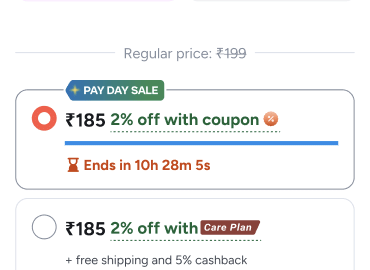
₹100 MRP ₹103.093% off

General Information
Contains
Aceclofenac (NA)+ Thiocolchicoside (250mg)
Marketer
Ar-Ex Laboratories Pvt Ltd
Storage
Store below 30°C
The content is shown in English



Safety advice

Alcohol
UNSAFE
It is unsafe to consume alcohol with ACLOSIDE 250MG TABLET.

Pregnancy
CONSULT YOUR DOCTOR
ACLOSIDE 250MG TABLET may be unsafe to use during pregnancy. Although there are limited studies in humans, animal studies have shown harmful effects on the developing baby. Your doctor will weigh the benefits and any potential risks before prescribing it to you. Please consult your doctor.

Breast feeding
CONSULT YOUR DOCTOR
Information regarding the use of ACLOSIDE 250MG TABLET during breastfeeding is not available. Please consult your doctor.

Driving
UNSAFE
ACLOSIDE 250MG TABLET may cause side effects which could affect your ability to drive.

Kidney
CAUTION
ACLOSIDE 250MG TABLET should be used with caution in patients with kidney disease. Dose adjustment of ACLOSIDE 250MG TABLET may be needed. Please consult your doctor.

Liver
CAUTION
ACLOSIDE 250MG TABLET should be used with caution in patients with liver disease. Dose adjustment of ACLOSIDE 250MG TABLET may be needed. Please consult your doctor.
Use of ACLOSIDE 250MG TABLET is not recommended in patients with severe liver disease. Regular monitoring of liver function tests is advisable while the patient is taking this medicine.
Use of ACLOSIDE 250MG TABLET is not recommended in patients with severe liver disease. Regular monitoring of liver function tests is advisable while the patient is taking this medicine.

References



100% genuine products

Safe & secure payments

No contact delivery

Fully sanitized facilities
Patient concerns
Neck pain when I move my neck a bit. I think it's due to exercise and gyming .

Dr. Sunil Tripathi
Physiotherapy
It might be muscle soreness or muscle spasm due to improper Posture or overuse of musclesConsult a Physiotherapist in your area
sir/madam i have pain in my testical(in left side) it slept at 4am. when I woke up it was paining since 2 days it may be due to cold and there is no swelling. may be little bit.

Dr. Shyam Gupta
Obstetrics and Gynaecology
Hello PATIENT to 1mg. Your pain may be due to cold spasm or tortion. If pain persist please visit surgeon and examined.

Want to know more
We provide you with authentic, trustworthy and relevant information
Have issue with the content
Why we need a prescription?

Provide right medicines
Prescriptions are complex documents. We proof read and recheck at various steps to provide you the right medication in the correct form and dose

In accordance with the law
Most medicines cannot be sold without a valid prescription, as per the Drugs and Cosmetics Act, 1940 and Rules, 1945
