






Conipar 125mg Syrup
Written By Dr. Shreya Gupta, MDS (Oral Pathology & Microbiology), BDS
Reviewed By Dr. Shilpa Garcha, MD (Pharmacology), MBBS
Last updated on 08 Oct 2024 | 01:04 AM (IST)
Conipar 125mg Syrup is a widely prescribed medicine that helps to ease pain and bring down high body temperature (fever). In children, it treats conditions like headache, toothache, body ache, fever, and common cold.
 Genuine
Authenticity Assured
MRP ₹21.5
Minimum order quantity

General Information

The content is shown in English



All substitutes for Conipar 125mg Syrup
For information purposes only. Consult a doctor before taking any medicine.
PCM Syrup
by Intas Pharmaceuticals Ltd
₹76/syrup
253% costlier

Parador 125mg Syrup
by Adore Healthcare
₹15/syrup
30% cheaper
Elpar Syrup
by Elite Pharma Pvt Ltd
₹18/syrup
16% cheaper
Paradol Syrup
by Biomedica International
₹12.6/syrup
41% cheaper
Nimucet NF 125mg Syrup
by Intas Pharmaceuticals Ltd
₹20/syrup
7% cheaper
Safety advice

Kidney
CAUTION
Conipar 125mg Syrup should be used with caution in patients with severe kidney disease. Dose adjustment of Conipar 125mg Syrup may be needed. Please consult your doctor.

Liver
CAUTION
Conipar 125mg Syrup should be used with caution in patients with liver disease. Dose adjustment of Conipar 125mg Syrup may be needed. Please consult your doctor.
However, the use of Conipar 125mg Syrup is not recommended in children with severe liver disease and active liver disease.
However, the use of Conipar 125mg Syrup is not recommended in children with severe liver disease and active liver disease.

Related lab tests
References
- Children’s Health Queensland Hospital and Health Service. Emergency care of children: Medication guides for use in Queensland. [Accessed 26 Dec. 2020] (online) Available from:

- Royal College of Paediatrics and Child Health. Medicines for Children - information for parents and carers. [Accessed 26 Dec. 2020] (online) Available from:
- Section on Clinical Pharmacology and Therapeutics; Committee on Drugs, Sullivan JE, Farrar HC. Fever and antipyretic use in children. Pediatrics. 2011;127(3):580-7. [Accessed 26 Dec. 2020] (online) Available from:
- Paracetamol [EMC Patient Leaflet]. Leeds, UK: Rosemont Pharmaceuticals Limited; 2019. [Accessed 26 Dec. 2020] (online) Available from:
- Aabideen K, Moulton LS, Sills J. Accidental staggered paracetamol overdose: An interesting case report. J Pharmacol Pharmacother. 2011;2(3):189-190. [Accessed 26 Dec. 2020] (online) Available from:
- Grosser T, Smyth E, FitzGerald G. Pharmacotherapy of Inflammation, Fever, Pain, and Gout. In: Brunton LL, Hilal-Dandan R, Knollmann BC (Editors). Goodman & Gilman's: The Pharmacological Basis of Therapeutics. 13th ed. New York, New York: McGraw-Hill Medical; 2018.
- Grosser T, Smyth E, FitzGerald GA. Anti-Inflammatory, Antipyretic, and Analgesic Agents; Pharmacotherapy of Gout. In: Brunton LL, Chabner BA, Knollmann BC, editors. Goodman & Gilman’s: The Pharmacological Basis of Therapeutics. 12th ed. New York, New York: McGraw-Hill Medical; 2011. pp. 982-84.
- MedlinePlus. Acetaminophen. [Accessed 26 Dec. 2020] (online) Available from:
- Paracetamol [Product Information]. Worli, Mumbai: GlaxoSmithKline Pharmaceuticals Limited; 2024. [Accessed 25 Jul. 2024] (online) Available from:

Related products
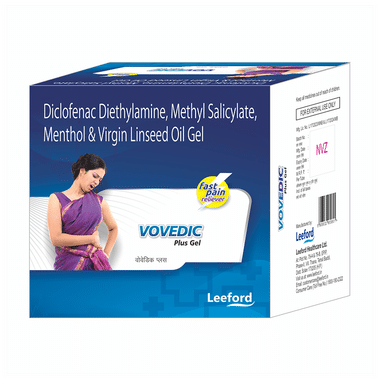
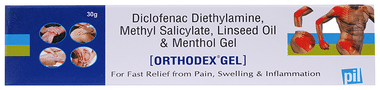
Products related to Conipar 125mg Syrup




100% genuine products

Safe & secure payments

No contact delivery

Fully sanitized facilities
Patient concerns
fever and 2 months pregnant can take combiflan

Dr. Sonu Balhara Ahlawat
Obstetrics and Gynaecology
No take Crocin for pain relief
Diagnosed with viral fever along with rashes on the body. Pain in eyes since three days. Pain when open and when blinking.

Dr. Richa Jain
Ophthalmology
Orbital pain is common with viral fever. Go to physician for fever. It will be relieved with relief in fever

Want to know more
We provide you with authentic, trustworthy and relevant information
Have issue with the content
