






Curine G Capsule
Written By Dr. Anuj Saini, MMST, MBBS
Reviewed By Dr. Ashish Ranjan, MD (Pharmacology), MBBS
Last updated on 11 Nov 2024 | 01:06 AM (IST)
Curine G Capsule is a combination of two medicines. It is used in the treatment of osteoarthritis and bone and joint injuries (fracture). It reduces pain and swelling by reducing inflammation. It also reduces friction in the joints and makes physical movements more comfortable and pain free.
 Genuine
Authenticity Assured
 Prescription
required
₹62.7 MRP ₹64.623% off


General Information

The content is shown in English



Safety advice

Alcohol
CAUTION
Caution is advised when consuming alcohol with Curine G Capsule. Please consult your doctor.

Pregnancy
CONSULT YOUR DOCTOR
Information regarding the use of Curine G Capsule during pregnancy is not available. Please consult your doctor.

Breast feeding
SAFE IF PRESCRIBED
Curine G Capsule is probably safe to use during breastfeeding. Limited human data suggests that the drug does not represent any significant risk to the baby.

Driving
CONSULT YOUR DOCTOR
It is not known whether Curine G Capsule alters the ability to drive. Do not drive if you experience any symptoms that affect your ability to concentrate and react.

Kidney
SAFE IF PRESCRIBED
Curine G Capsule is probably safe to use in patients with kidney disease. Limited data available suggests that dose adjustment of Curine G Capsule may not be needed in these patients. Please consult your doctor.

Liver
UNSAFE
Curine G Capsule is probably unsafe to use in patients with liver disease and should be avoided. Please consult your doctor.

Related lab tests
References
- Fidelix TS, Macedo CR, Maxwell LJ, et al. Diacerein for osteoarthritis. Cochrane Database Syst Rev. 2014;(2):CD005117. [Accessed 02 Apr. 2019] (online) Available from:

- Drugs.com. Glucosamine. [Accessed 02 Apr. 2019] (online) Available from:
- ScienceDirect. Diacerein. [Accessed 07 Apr. 2019] (online) Available from:
- Santo Medi Sciences Pvt. Ltd. Diacerin + glucosamine [Product Description]. [Accessed 28th Sept. 2023] (online) Available from:

Related products
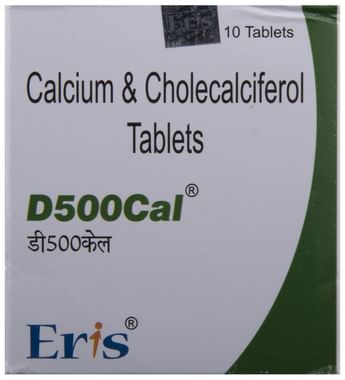
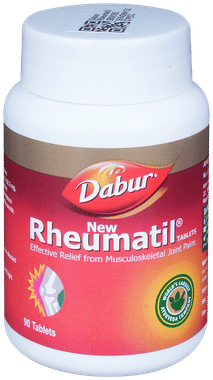
Products related to Curine G Capsule







100% genuine products

Safe & secure payments

No contact delivery

Fully sanitized facilities
Patient concerns
X ray right-AP & LATERAL VIEW FRACTURE OF ULNAR STYLOID PROCESS AND SUSPICIOUS FRACTURE OF DISTALRADIUS? What is the meaning of above report of X-RAY

Dr. Vipul Aggarwal
Orthopaedics
There is a fracture
fracture in my left hand what to do
Dr. Vipul Aggarwal
Orthopaedics
What type of fracture is that please send me the x-rays every fracture has got different management and it needs to be seenWhen was the fracture exactly how long back

Want to know more
We provide you with authentic, trustworthy and relevant information
Have issue with the content
Why we need a prescription?

Provide right medicines
Prescriptions are complex documents. We proof read and recheck at various steps to provide you the right medication in the correct form and dose

In accordance with the law
Most medicines cannot be sold without a valid prescription, as per the Drugs and Cosmetics Act, 1940 and Rules, 1945
