









Kipnol 20mg Tablet
Propranolol (20mg)
 Genuine
Authenticity Assured
 Prescription
required
Kipnol 20mg Tablet helps decrease anxiety and relieve tremors. It is also used to help prevent migraine, heart-related chest pain (angina), and bleeding in the stomach caused by high blood pressure in the liver (portal hypertension).
Written By Dr. Betina Chandolia, MDS, BDS,
Reviewed By Dr. Ashish Ranjan, MD (Pharmacology), MBBS,
Last updated on 12 Nov 2024 | 01:11 AM (IST)
Written By Dr. Betina Chandolia, MDS, BDS,
Reviewed By Dr. Ashish Ranjan, MD (Pharmacology), MBBS,
Last updated on 12 Nov 2024 | 01:11 AM (IST)
General Information

The content is shown in English




All substitutes for Kipnol 20mg Tablet
For information purposes only. Consult a doctor before taking any medicine.
Ciplar-LA 20 Tablet
by Cipla Ltd
₹3.33/tablet
34% costlier

Betacap 20 Tablet
by Sun Pharmaceutical Industries Ltd
₹3.15/tablet
27% costlier
Provanol 20 Tablet
by Intas Pharmaceuticals Ltd
₹2.62/tablet
5% costlier
Ponol 20mg Tablet
by Shine Pharmaceuticals Ltd
₹2.37/tablet
5% cheaper
Prolol 20mg Tablet
by Crescent Therapeutics Ltd
₹2.57/tablet
3% costlier
Safety advice

Alcohol
UNSAFE
It is unsafe to consume alcohol with Kipnol 20mg Tablet.

Pregnancy
CONSULT YOUR DOCTOR
Kipnol 20mg Tablet may be unsafe to use during pregnancy. Although there are limited studies in humans, animal studies have shown harmful effects on the developing baby. Your doctor will weigh the benefits and any potential risks before prescribing it to you. Please consult your doctor.

Breast feeding
CONSULT YOUR DOCTOR
Kipnol 20mg Tablet is probably unsafe to use during breastfeeding. Limited human data suggests that the drug may pass into the breastmilk and harm the baby.

Driving
CAUTION
Your ability to drive may be affected if your blood sugar is too low or too high. Do not drive if these symptoms occur.
Kidney
CAUTION
Kipnol 20mg Tablet should be used with caution in patients with severe kidney disease. Dose adjustment of Kipnol 20mg Tablet may be needed. Please consult your doctor.

Liver
CAUTION
Kipnol 20mg Tablet should be used with caution in patients with liver disease. Dose adjustment of Kipnol 20mg Tablet may be needed. Please consult your doctor.
Related lab tests
References
- Westfall TC, WestfallIn DP. Adrenergic Agonists and Antagonists. In: Brunton LL, Chabner BA, Knollmann BC, editors. Goodman & Gilman’s: The Pharmacological Basis of Therapeutics. 12th ed. New York, New York: McGraw-Hill Medical; 2011. p. 320.
- Opie LH. β-Blocking Agents. In: Opie LH, Gersh BJ, editors. Drugs for the Heart. 8th ed. Philadelphia, Pennsylvania: Elsevier Saunders; 2013. pp. 28-29.
- Benowitz NL. Antihypertensive Agents. In: Katzung BG, Masters SB, Trevor AJ, editors. Basic and Clinical Pharmacology. 11th ed. New Delhi, India: Tata McGraw Hill Education Private Limited; 2009. pp. 175-76.
- Briggs GG, Freeman RK, editors. A Reference Guide to Fetal and Neonatal Risk: Drugs in Pregnancy and Lactation. 10th ed. Philadelphia, PA: Wolters Kluwer Health; 2015. pp. 1162-63.
- Drugs.com. Propranolol Pregnancy and Breastfeeding Warnings. [Accessed 20 Mar. 2019] (online) Available from:

- Chaves RG, Lamounier JA. Breastfeeding and maternal medications. J Pediatr (Rio J). 2004;80(5 Suppl):S189-S198. [Accessed 20 Mar. 2019] (online) Available from:
- Central Drugs Standard Control Organisation (CDSCO). [Accessed 19 Mar. 2019] (online) Available from:
Related products
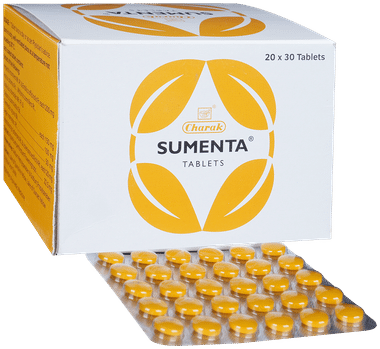
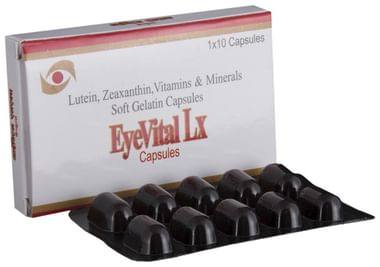
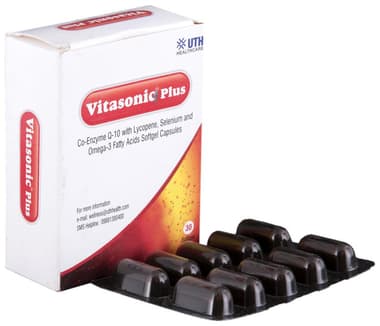
Products related to Kipnol 20mg Tablet









100% genuine products

Safe & secure payments

No contact delivery

Fully sanitized facilities

Want to know more
We provide you with authentic, trustworthy and relevant information
Have issue with the content
Why we need a prescription?
