







 Genuine
Authenticity Assured
 Prescription
required
Shwas Syrup is used for the treatment of asthma and chronic obstructive pulmonary disorder (a lung disorder in which the flow of air to the lungs is blocked). It helps in relaxing the muscles of the air passages and making it easier to breathe. It relieves coughing, wheezing and feeling short of breath.
Written By Dr. Love Sharma, PhD (Pharmacology), PGDPRA,
Reviewed By Dr. Shilpa Garcha, MD (Pharmacology), MBBS,
Last updated on 12 Nov 2024 | 01:06 AM (IST)
Written By Dr. Love Sharma, PhD (Pharmacology), PGDPRA,
Reviewed By Dr. Shilpa Garcha, MD (Pharmacology), MBBS,
Last updated on 12 Nov 2024 | 01:06 AM (IST)
General Information

The content is shown in English




Safety advice

Alcohol
CONSULT YOUR DOCTOR
It is not known whether it is safe to consume alcohol with Shwas Syrup. Please consult your doctor.

Pregnancy
CONSULT YOUR DOCTOR
Shwas Syrup may be unsafe to use during pregnancy. Although there are limited studies in humans, animal studies have shown harmful effects on the developing baby. Your doctor will weigh the benefits and any potential risks before prescribing it to you. Please consult your doctor.

Breast feeding
CONSULT YOUR DOCTOR
Information regarding the use of Shwas Syrup during breastfeeding is not available. Please consult your doctor.

Driving
CONSULT YOUR DOCTOR
It is not known whether Shwas Syrup alters the ability to drive. Do not drive if you experience any symptoms that affect your ability to concentrate and react.

Kidney
SAFE IF PRESCRIBED
Shwas Syrup is probably safe to use in patients with kidney disease. Limited data available suggests that dose adjustment of Shwas Syrup may not be needed in these patients. Please consult your doctor.

Liver
SAFE IF PRESCRIBED
Shwas Syrup is probably safe to use in patients with liver disease. Limited data available suggests that dose adjustment of Shwas Syrup may not be needed in these patients. Please consult your doctor.
References
- European Medicne Agency. Revised assessment report: Ambroxol and bromhexine containing medicinal products. 2015. [Accessed 22 Apr. 2019] (online) Available from:

- PubChem. Etofylline. [Accessed 01 Apr. 2019] (online) Available from:
- ScienceDirect. Menthol. [Accessed 01 Apr. 2019] (online) Available from:
- Albuterol. Stockley Park West Uxbridge: Glaxo Wellcome UK Ltd.; 2005 [revised 5 Feb. 2015]. [Accessed 01 Apr. 2019] (online) Available from:
- ScienceDirect. Bromhexine. [Accessed 01 Apr. 2019] (online) Available from:
- Drugs.com. Etofylline. [Accessed 01 Apr. 2019] (online) Available from:
Related products
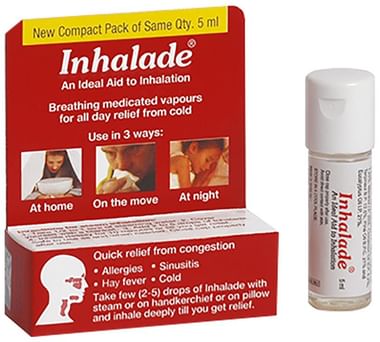
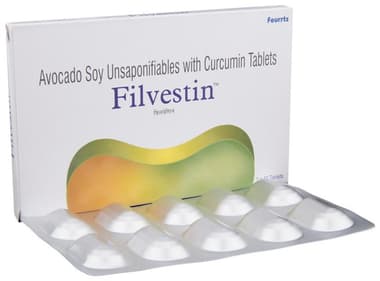
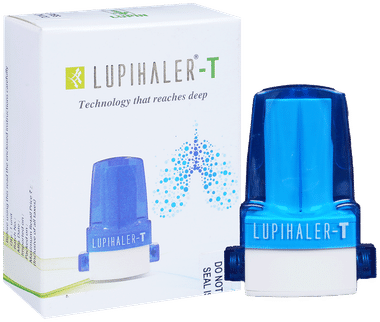
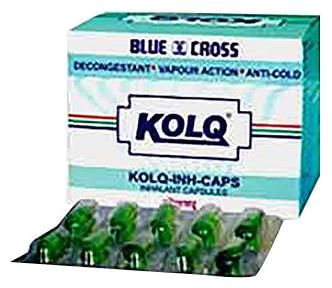
Products related to Shwas Syrup



Related ayurvedic ingredients


100% genuine products

Safe & secure payments

No contact delivery

Fully sanitized facilities

Want to know more
We provide you with authentic, trustworthy and relevant information
Have issue with the content
Why we need a prescription?
