
Sign in to your account
or
By signing in you agree to our
Terms & conditions
 and 
Privacy policy

Arthritis Checkup

For men & women
Earliest reports in
48 hours
Contains
27 tests
Package price:
₹1999
₹2220
10% off
Know more about this test
<font color='#864291'>Know more about this test</font>

The Arthritis Checkup provides a thorough evaluation of various biomarkers related to joint health and inflammation, aiding in the diagnosis and management of arthritis. It includes complete blood count (CBC) test that offers insights into overall health, erythrocyte sedimentation rate (ESR) test, which indicates inflammation in the body. The C-reactive protein (CRP) quantitative test is a critical marker for inflammation commonly associated with active arthritis; rheumatoid factor (RF) to screen for rheumatoid arthritis and differentiate it from other forms of arthritis; uric acid test, essential for diagnosing gout, anti-nuclear antibody (ANA) testing by IFA provide valuable information on autoimmune arhtritis; anti-Streptolysin O (ASO) Titer, helps identify past infections that may contribute to joint inflammation.  

Consider getting tested if you experience symptoms such as joint pain, swelling, stiffness, or reduced mobility, which may indicate an underlying form of arthritis or other joint-related conditions or when there are risk factors like aging, family history of arthritis, obesity, and previous joint injuries. 

By analyzing these biomarkers collectively, doctors can gain a comprehensive understanding of your joint health, inflammation levels, and disease status.

Samples required
Blood
Preparation for this package
Powered by
Tata 1mg Labs
Most trusted by customers
Highly skilled
technicians
Highly skilled technicians
Quality
assured
Quality assured
Verified
reports
Verified reports
Know more about lab
Tata 1mg Labs
About this lab
TATA 1mg Labs is a cutting-edge facility delivering top-quality diagnostic services right to your doorstep. We take pride in three core values: Assured Quality, Best Prices and Timely Reports. Transparency is at the heart of our operations, ensuring our customers always have clear and reliable information. Our dedicated team is committed to offering an exceptional customer experience and continually innovates to meet and exceed customer expectations.
See more

What does Arthritis Checkup measure?

Contains 27 tests

The ESR (Erythrocyte Sedimentation Rate) test measures how fast red blood cells (erythrocytes) settle in a tube over one hour.

When your body is inflamed, certain proteins, mainly fibrinogen, increase in the blood. These proteins cause the red blood cells to stick together in stacks. These stacks settle faster, leading to a higher ESR.

The ESR test shows that inflammation is present. However, it cannot tell you exactly where the inflammation is or what is causing it. That’s why doctors usually do this test along with other tests. This helps them understand and treat your health problems.

Know more about ESR (Erythrocyte Sedimentation Rate)

A CBC (Complete Blood Count) test evaluates red blood cells (RBCs), white blood cells (WBCs}, and platelets. Each of these blood cells performs essential functions–RBCs carry oxygen from your lungs to the various body parts, WBCs help fight infections and other diseases, and platelets help your blood to clot–so determining their levels can provide significant health information. A CBC test also determines the hemoglobin level, a protein in RBC that carries oxygen from the lungs to the rest of your body. Evaluating all these components together can provide important information about your overall health.

Know more about CBC (Complete Blood Count)

  • Red Blood Cell Count

  • Platelet Count

  • The platelet count measures the number of platelets present in the blood. Platelets are also known as thrombocytes which are tiny fragments of cells. These are formed from large cells which are found in the bone marrow known as megakaryocytes. After the platelets are formed, they are released into the blood circulation.

    Whenever there is an injury to a tissue or blood vessel, bleeding starts. At this point, platelets help in stopping the bleeding in three ways:

    • The platelets will adhere to the injury site

    • The platelets will accumulate at the injury site 

    • The platelets will release chemical compounds which stimulate gathering of other platelets

    With these steps, a loose platelet connection forms at the site of injury. This process is known as primary hemostasis. The activated platelets start to support the coagulation cascade which involves a series of steps that includes the sequential activation of clotting factors. This process is known as secondary hemostasis which results in the formation of fibrin strands that knit through the loose platelet connection to form a fibrin net. After that, the connection is compressed to form a stable clot so that it remains in place until the injury heals. Once the injury is healed, other factors come into play and break it down so that it gets removed. 

    In case the platelets are not sufficient in number or are not functioning properly, a stable clot might not form. These unstable clots can result in an increased risk of excessive bleeding. 


  • Hematocrit

  • Human blood is made up of erythrocytes or red blood cells, leukocytes or white blood cells, and platelets suspended in a fluid called plasma. Each of the component of blood performs a specific function. The packed cell volume or hematocrit is a ratio of the volume occupied by the RBCs to the total volume occupied by all the blood components or whole blood.

    The RBCs transport inhaled oxygen from the lungs to all the cells of the body, and also a small amount of carbon dioxide from the cells to the lungs to be exhaled. The majority of carbon dioxide is transported in solution in plasma as bicarbonate ions. They contain a protein called hemoglobin which binds to oxygen for transport.

    RBCs are produced in the erythropoietic cells of the bone marrow in response to the hormone Erythropoietin secreted by the kidneys when oxygen saturation of blood is detected to be low (hypoxia). The average lifespan of RBCs in circulation is 120 days. Hence, the bone marrows continuously produce RBCs to maintain a steady concentration in blood. The Packed Cell Volume Test depends on the count as well as the average size of the RBCs (Mean Corpuscular Volume or MCV). Higher than normal amount of RBCs produced by the bone marrow can cause the hematocrit to increase, leading to increased blood density and slow blood flow. Lower than normal hematocrit can be caused by low production of RBCs, reduced lifespan of RBC in circulation, or excessive bleeding, leading to reduced amount of oxygen reaching the cells.


  • Mean Corpuscular Volume

  • Mean Corpuscular Hemoglobin

  • Mean Corpuscular Hemoglobin Concentration

  • Absolute Leucocyte Count

  • This further contains

    • Absolute Eosinophil Count
    • Absolute Neutrophil Count
    • Absolute Basophil Count
    • Absolute Monocyte Count
  • Mean Platelet Volume

  • PDW

  • RDW CV

The Rheumatoid Factor - Quantitative test detects and measures the concentration of rheumatoid factor (RF), an antibody produced by the immune system, in your blood. Increased levels of rheumatoid factor can be detected in the blood in certain autoimmune conditions, particularly rheumatoid arthritis. However, an RF test is not very specific as a rheumatoid factor can also be found in the body in diseases other than RA, such as Sjögren’s syndrome and systemic lupus erythematosus (SLE). RF may also be produced in the body during persistent bacterial and viral infections. Hence, clinical evaluation and other diagnostic tests are crucial for a comprehensive assessment and accurate diagnosis.

Know more about Rheumatoid Factor - Quantitative

The Uric acid test measures the levels of uric acid in the blood. Uric acid is a nitrogenous compound produced by the metabolic breakdown of purine. Purines are nitrogenous bases in DNA forming parts of the structural framework of the cells. Breakdown of purines occurs when cells become old and die, forming uric acid. Uric acid is also formed from the metabolic breakdown of some types of food like red meat, seafood, beans, etc.

Most of the uric acid in the blood is filtered and eliminated by the kidneys and a small remaining amount in the stool. The concentration of uric acid in the blood can increase due to overproduction of uric acid or improper elimination of uric acid, and this condition is called Hyperuricemia. Hyperuricemia can also be caused due to cancer treatment by chemotherapy or radiotherapy. These treatment methods kill the cancer cells, which may leak the uric acid into the blood.

Excess uric acid can form crystals in the synovial fluid between the joints causing inflammation and pain. This condition is called gout and can severely damage the joints if left untreated. The Uric Acid Test can indicate the presence of gout, or risk of formation of gout. However, it is not a definitive test for gout. Confirmatory test for gout is performed by analysis of synovial fluid (joint fluid) for monosodium urate crystals. Chronic Hyperuricemia can cause the formation of tophi, which are hard lumpy deposits of uric acid crystals formed under the skin, in the joints, and at the top of the ears. Tophi cause severe damage to the joints and may compress nerves causing chronic pain and disfigurement. The excess uric acid may also deposit and crystallize in the kidneys causing kidney stones and acute renal failure.

Know more about Uric Acid


The ASO Titer Test detects and measures the level of ASO in blood to determine the presence of an infection by Group A Streptococcus bacteria. Streptococcus pyogenes or Group A Streptococcus is a bacteria which causes a number of infections like throat infections, skin infections like pyoderma, etc. These infections are easily recognizable and treated with the help of antibiotics. However, if the Streptococcus infection is left untreated or is treated improperly, it may lead to complications like rheumatic fever, glomerulonephritis, scarlet fever, heart and kidney damage, joint inflammation, swelling, etc.

Symptoms caused by an infection of Group A Streptococcus bacteria are caused mainly due to a toxin called Streptolysin O which is secreted by these bacteria. The body produces antibodies against Streptolysin O called Antistreptolysin O (ASO). Production of ASO antibodies by the body can begin anytime from a week to a month after an infection. Levels peak after about 3 to 5 weeks after the condition develops, after which they slowly taper off as the condition resolves. Increase in ASO levels is greater in case of throat infections than in skin infections. 


Know more about Anti Streptolysin O Titer

Did you find information useful ?
yesYES
noNO

Arthritis Checkup test price for other cities

Book a Arthritis Checkup test at home near me
Easy online booking
Easy online booking
Search for tests and packages, book a time and select address for seamless at-home lab tests.
Live tracking of phlebotomist
Stay informed with live tracking of our phlebotomist's location for seamless sample collection.
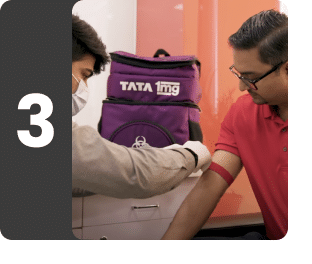
Safe collection
Safe collection
Our phlebotomists follow strict safety protocols to collect samples at home on time.
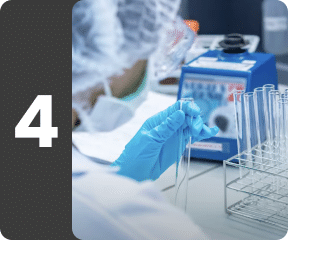
Sample received at lab
Your sample is bought to our laboratory for testing by our qualified experts.
Quick reports, free follow up
Reports are sent to your email. A free doctor follow up is provided to understand the report better
Recommended for everyone
This package is designed with everyone’s overall health considerations in mind, offering assessments to address a wide range of wellness needs.
Package can be booked by :
Men
Women
Package contains 27 tests
ESR (Erythrocyte Sedimentation Rate)
CBC (Complete Blood Count) (21)
Differential Leukocyte Count (5)
Red Blood Cell Count
Hb (Hemoglobin)
Platelet Count
Total Leukocyte Count
Hematocrit
Mean Corpuscular Volume
Mean Corpuscular Hemoglobin
Mean Corpuscular Hemoglobin Concentration
Absolute Leucocyte Count (5)
Mean Platelet Volume
PDW
RDW CV
CRP (C-Reactive Protein), Quantitative
Rheumatoid Factor - Quantitative
Uric Acid
Anti-Nuclear Antibody (ANA) by IFA - End Point Titer
Anti Streptolysin O Titer
Report delivery
Standard time
48 hrs
For slots after 11 AM, report will be delivered in 48 hours.
Samples required
Blood
Our phlebotomist will draw a blood sample, typically from a vein in your inner elbow.
Preparations
1
Overnight fasting is preferred but not mandatory.