Sign in to your account
or
By signing in you agree to our
Terms & conditions
 and 
Privacy policy

FSH, LH & Prolactin

Also referred as
Hormonal Profile
Hormonal Panel
For men & women

Starts at:
₹785
Know more about this test
<font color='#864291'>Know more about this test</font>

The Hormonal Profile includes three important hormones: Follicle-Stimulating Hormone (FSH), Luteinizing Hormone (LH), and Prolactin. These hormones help control reproductive functions and milk production. This test helps in identifying and managing hormonal issues and fertility problems.
Samples required
Blood 2
Find out
Why is this test booked?
Preparations
Overnight fasting required for 8 to 12 hours

Understanding FSH, LH & Prolactin

FSH, LH, and Prolactin are all produced in the anterior pituitary gland. These hormones play a key role in reproductive health and general well-being. Measuring their levels is often the first step in checking fertility in both men and women or finding possible hormonal problems.

  • Follicle-Stimulating Hormone (FSH): This hormone helps in the growth of eggs and regular menstrual cycles in women and supports sperm production in men. Abnormal levels can lead to issues like irregular periods, fertility problems, PCOS, and pituitary disorders.
  • Luteinizing Hormone (LH): This hormone works with FSH. It triggers ovulation in women and supports testosterone production in men. Imbalanced LH levels can also cause fertility and hormonal problems.
  • Prolactin: This hormone helps in the development of breasts and milk production in women. It also affects the menstrual cycle. High prolactin levels can cause irregular periods, fertility problems, and conditions like galactorrhea (milk production without pregnancy) and pituitary tumors (prolactinomas).

In women, doctors may suggest this test if you have irregular or heavy periods, PCOS/PCOD, trouble conceiving, or suspected issues with the pituitary or hypothalamus. In men, it may be done if there are signs of low testosterone, such as low sex drive or reduced muscle mass.

Fasting is required before this test. Do not eat or drink anything except water for 8–12 hours before the test. For women, the ideal time to take the sample is on the second or third day of the menstrual cycle. Your doctor may ask you to stop certain medicines like birth control pills or Biotin (Vitamin B7), as they can affect the test results. Prolactin levels can change during the day and are influenced by stress, exercise, and sleep. So, your doctor may recommend repeat tests to confirm the results.

Test result ranges are approximate and may differ slightly between labs depending on the methodology and laboratory guidelines. Talk to your doctor about your specific test results. The results will help them determine your medical condition and formulate your treatment plan.

See more

What does FSH, LH & Prolactin measure?

Contains 3 tests

The FSH, LH & Prolactin test measures levels of three hormones, namely follicle-stimulating hormone (FSH), luteinizing hormone (LH), and prolactin, that are critical for reproductive function in males and females. This hormonal test is conducted to address various issues associated with the process of ovulation, fertility, and reproductive organs.

These hormones are important for reproductive health. Their levels help doctors understand problems with ovulation, fertility, and hormone production. In children, these hormone levels are usually low. But as puberty starts, the brain produces a hormone called GnRH, which signals the pituitary gland to release FSH and LH into the blood.

Follicle-stimulating hormone (FSH) is a hormone which is associated with reproduction and the development of eggs in women and sperm in men. This test measures FSH in the blood.

FSH is produced by the pituitary gland, and its production is controlled by a feedback system involving the hypothalamus in the brain, the pituitary gland, and the hormones produced by the ovaries or testicles. The Gonadotropin-releasing hormone (GnRH) from the hypothalamus stimulates the pituitary gland to release FSH and luteinizing hormone (LH; another closely-related hormone also involved in reproduction). FSH affects the growth and maturation of egg follicles in the ovaries during the follicular phase of the menstrual cycle. The menstrual cycle is divided into follicular and luteal phases, each phase lasting for 14 days. During the follicular phase, FSH initiates the production of estradiol by the follicle, and the two hormones work together in the further development of the egg follicle. Near the end of the follicular phase, the production of FSH and luteinizing hormone increases. The release of the egg from the ovary (ovulation) occurs shortly after this increased production of hormones. The hormone inhibin as well as estradiol and progesterone help control the amount of FSH released by the pituitary gland. FSH also facilitates the ability of the ovary to respond to LH. At menopause, ovarian function decreases and eventually ceases which results in increased levels of FSH and LH.

In males, the role of FSH is to stimulate the testicles to produce mature sperms and also promotes the production of androgen binding proteins. FSH levels are relatively constant in men after puberty than in women.

In infants and children, FSH levels rise shortly after birth and then fall to very low levels by 6 months in boys and 1-2 years in girls. Concentrations begin to rise again before the beginning of puberty and the development of secondary sexual characteristics.

 Disorders affecting the hypothalamus, pituitary, and/or the ovaries or testicles can cause the production of too much or too little FSH, resulting in a variety of conditions such as infertility, abnormal menstrual cycles, or early (precocious) or delayed sexual maturation (puberty).


Know more about Follicle Stimulating Hormone

Luteinizing hormone is associated with reproduction and ovulation. In females, it stimulates the release of an egg from the ovary. However, in males, testosterone production is dependent on LH. This test helps in measuring the amount of LH present in the blood.

 LH is produced by the pituitary gland, and its production is controlled by the hypothalamus, pituitary gland, and the hormones produced by the ovaries (in women) or testicles (in men).

 In premenopausal women, LH stimulates ovulation and the production of other hormones, estradiol, and progesterone. The menstrual cycle is divided into 2 phases, follicular and luteal phases, each of these last for about 14 days. Near the end of the follicular phase, there is a mid-cycle increase in follicle-stimulating hormone (FSH) and LH. This triggers ovulation. During the luteal phase, LH secretion stimulates the corpus luteum to start producing progesterone. At this point, FSH and LH levels get reduced, while progesterone and estradiol concentrations rise. If the egg is not fertilized, then the levels of these hormones fall after several days followed by the beginning of the next menstrual cycle. With the onset of menopause ovarian function reduces and eventually discontinues, which results in increased levels of FSH and LH.

 In men, LH stimulates Leydig cells in the testicles to produce testosterone. However, LH levels remain relatively constant in men after puberty. A high testosterone level provides negative feedback to the pituitary gland and the hypothalamus, thus decreasing the amount of LH secreted.

 In infants and children, LH levels rise shortly after birth and then fall to very low levels (by 6 months in boys and 1-2 years in girls). At about 6-8 years of age, levels again rise before the beginning of puberty and secondary sexual characteristics development.

Know more about Luteinising Hormone

Did you find information useful ?
yesYES (2)
noNO

FSH, LH & Prolactin test price for other cities

Price inBangaloreRs. 1299
Price inPuneRs. 1299
Price inMumbaiRs. 766
Price inNew DelhiRs. 680
Price inHyderabadRs. 766
Book a FSH, LH & Prolactin test at home near me

Easy online booking
Easy online booking
Search for tests and packages, book a time and select address for seamless at-home lab tests.

Live tracking of phlebotomist
Stay informed with live tracking of our phlebotomist's location for seamless sample collection.

Safe collection
Safe collection
Our phlebotomists follow strict safety protocols to collect samples at home on time.
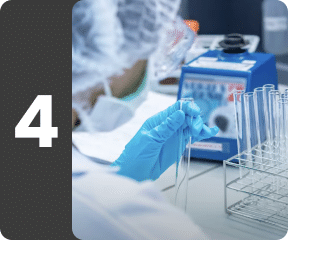
Sample received at lab
Your sample is bought to our laboratory for testing by our qualified experts.
Quick reports, free follow up
Reports are sent to your email. A free doctor follow up is provided to understand the report better

FAQs related to FSH, LH & Prolactin

This test checks the levels of FSH, LH, and prolactin to evaluate fertility and reproductive health in both men and women.
In women: irregular or heavy periods, mood swings, high blood sugar, fatigue, facial hair, and weight changes. In men: hair thinning, weight changes, low sex drive, erection problems, fatigue, and poor sperm quality. Talk to your doctor for a detailed evaluation.
Stress, exercise, certain medicines, and some underlying health conditions may affect these hormone levels.
FSH levels can be affected by menopause, early puberty, pituitary tumors, pregnancy, drug use, and different phases of the menstrual cycle.
High FSH levels may mean ovarian failure, menopause, PCOS, or chromosomal issues like Turner’s syndrome. It can also mean fewer good-quality eggs.
High FSH in men can be due to Klinefelter’s syndrome, absent or damaged testicles due to alcohol, X-rays, or chemotherapy.
In women, it could mean reduced ovulation. In men, it may mean low sperm count. It can also point to brain-related hormone issues or stress.
Yes. FSH levels are higher during menstruation and ovulation and lower during the other phases.
Yes, prolactin hormone is present in men. High levels of prolactin have been associated with low sex drive and decreased erectile function.
It is a non-cancerous tumor in the pituitary gland that causes high prolactin levels. It lowers estrogen in women and testosterone in men.
In men: erection problems, less facial/body hair, and enlarged breasts. In women: missed periods, milk discharge without pregnancy, vaginal dryness, painful sex, acne, and excess hair.
Low prolactin levels may indicate poor pituitary function (hypopituitarism). It usually doesn’t need treatment.
Yes, foods such as barley (jau), fennel (saunf), fenugreek (methi) seeds, oats, whole wheat, brown rice, and papaya can increase the levels of prolactin. These foods are considered to be helpful in milk production in new mothers.
Conditions like PCOS, adrenal issues, and thyroid problems can raise LH levels.
In women, it triggers ovulation but too much LH may lead to PCOS and infertility. In men, it may cause poor sperm health or show damaged testicles.
It may suggest that your pituitary gland isn’t making enough LH, which can affect puberty and reproduction.
Food items that can increase LH levels include salmon, chia seeds, oysters, walnuts, avocado, cinnamon, cashews, almonds, and flaxseeds.
Yes, lifestyle changes such as maintaining a balanced diet, regular exercise, reducing stress, and avoiding excessive alcohol consumption can influence the levels of these hormones.
References
  1. Orlowski M, Sarao MS. Physiology, Follicle Stimulating Hormone [Internet]. Treasure Island, Florida: StatPearls Publishing; 2023 Jan. [Accessed 01 Nov. 2023]. Available from:
  2. O'Herlihy C, Pepperell RJ, Evans JH. The significance of FSH elevation in young women with disorders of ovulation. Br Med J. 1980 Nov 29;281(6253):1447-50. [Accessed 01 Nov. 2023]. Available from:
  3. Raju GA, Chavan R, Deenadayal M, Gunasheela D, Gutgutia R, Haripriya G, Govindarajan M, Patel NH, Patki AS. Luteinizing hormone and follicle stimulating hormone synergy: A review of role in controlled ovarian hyper-stimulation. J Hum Reprod Sci. 2013 Oct;6(4):227-34. [Accessed 01 Nov. 2023]. Available from:
  4. Simoni M, Weinbauer GF, Gromoll J, Nieschlag E. Role of FSH in male gonadal function. Ann Endocrinol (Paris). 1999 Jul;60(2):102-6. [Accessed 01 Nov. 2023]. Available from:
  5. Santi D, Crépieux P, Reiter E, Spaggiari G, Brigante G, Casarini L, Rochira V, Simoni M. Follicle-stimulating Hormone (FSH) Action on Spermatogenesis: A Focus on Physiological and Therapeutic Roles. J Clin Med. 2020 Apr 3;9(4):1014. [Accessed 01 Nov. 2023]. Available from:
  6. Behre HM. Clinical Use of FSH in Male Infertility. Front Endocrinol (Lausanne). 2019 May 24;10:322. [Accessed 01 Nov. 2023]. Available from:
  7. Arslan AA, Zeleniuch-Jacquotte A, Lukanova A, Rinaldi S, Kaaks R, Toniolo P. Reliability of follicle-stimulating hormone measurements in serum. Reprod Biol Endocrinol. 2003 Jun 18;1:49. [Accessed 01 Nov. 2023]. Available from:
  8. Gordetsky J, van Wijngaarden E, O'Brien J. Redefining abnormal follicle-stimulating hormone in the male infertility population. BJU Int. 2012 Aug;110(4):568-72. [Accessed 01 Nov. 2023]. Available from:
  9. Follicle-Stimulating Hormone (Blood) [Internet]. Rochester, NY: University of Rochester Medical Center; [Accessed 01 Nov. 2023]. Available from:
  10. Nedresky D, Singh G. Physiology, Luteinizing Hormone [Internet]. Treasure Island, Florida: StatPearls Publishing; 2023 Jan. [Accessed 01 Nov. 2023]. Available from:
  11. Luteinizing Hormone [Internet]. Rochester, NY: University of Rochester Medical Center; [Accessed 01 Nov. 2023]. Available from:
  12. Al-Chalabi M, Bass AN, Alsalman I. Physiology, Prolactin [Internet]. Treasure Island, Florida: StatPearls Publishing; Jan. 2023. [Accessed 01 Nov. 2023]. Available from:
  13. Utiger R. Prolactin [Internet]. Britannica; 14 Jul. 2023. [Accessed 01 Nov. 2023]. Available from:
  14. Prolactin [Internet]. ScienceDirect; [Accessed 01 Nov. 2023]. Available from:
  15. Freeman ME, Kanyicska B, Lerant A, et al. Prolactin: Structure, Function, and Regulation of Secretion. Physiological Reviews. 2000;80(4):1523-1631. [Accessed 01 Nov. 2023]. Available from:
  16. Prolactin (Blood) [Internet]. Rochester, NY: University of Rochester Medical Center; [Accessed 01 Nov. 2023]. Available from:
Recommended for everyone
This package is designed with everyone’s overall health considerations in mind, offering assessments to address a wide range of wellness needs.
Package can be booked by :
Men
Women
Contains 3 tests
Follicle Stimulating Hormone
Serum Prolactin
Luteinising Hormone
Report delivery
Standard time
18 hrs
For slots after 11 AM, report will be delivered in 24 hours.
Samples required
Blood 2
Preparations
1
For Prolactin- Kindly follow your doctor's instructions, if any, on how to prepare for your test.
Why is this test booked?
1
Check fertility issues in men and women.
2
Investigate irregular or absent periods (amenorrhea or oligomenorrhea).
3
Find the cause of unusual breast milk discharge (galactorrhea) in women who are not pregnant.
4
Understand low milk production in women after delivery.
5
Diagnose problems or tumors in the pituitary gland, or diseases affecting the ovaries or testicles.