







Lipase
Also referred as
Serum Lipase

For men & women

Know more about this test

The Lipase test is used to determine the level of enzyme lipase made by the pancreas. This test can help diagnose pancreatitis (inflammation in the pancreas), find out any blockage in the pancreas, and pancreas-associated chronic diseases.

Find out
Why is this test booked?

Packages containing Lipase

Comprehensive Tax Saver Package Men
Contains 76 testsGet reports within 18-24 hrs
₹5100

Comprehensive Tax Saver Package Women
Contains 78 testsGet reports within 18-24 hrs
₹5000

Pollution Elements and Whole Body Checkup
Contains 73 testsGet reports within 54 hrs
₹3499

Advanced Tax Saver Health Check
Contains 51 testsGet reports within 18-24 hrs
₹2499

Comprehensive Platinum Full Body Checkup with Smart Report
Contains 73 testsGet reports within 18-24 hrs
₹1073

Women Health Checkup Premium with Smart Report
Contains 56 testsGet reports within 18-24 hrs
₹3589

Comprehensive Platinum Full Body Checkup
Contains 68 testsGet reports within 18-24 hrs
₹3721

Men Health Checkup Premium with Smart Report
Contains 103 testsGet reports within 18 hrs
₹3599

Women Health Checkup Premium with Smart Report
Contains 104 testsGet reports within 18 hrs
₹3629

Senior Citizen Women Health Checkup Premium with Smart Report
Contains 105 testsGet reports within 18 hrs
₹4169
Test Information is reviewed by: Dr. Swati Gupta (Anand), MBBS, MD Lab Medicine and written by Dr. Lipika Khurana, BDS, PGDHHM . The test details are for information purpose only. Consult a doctor before taking any test. Last updated on: 21st Jan 2026
Did you find information useful ?
 YES (3)
 NO (1)
Book a Lipase test at home near me
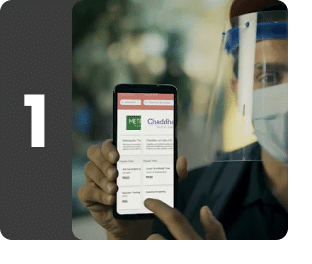
Easy online booking
Search for tests and packages, book a time and select address for seamless at-home lab tests.
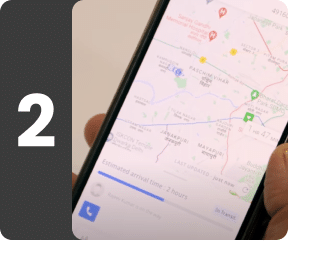
Live tracking of phlebotomist
Stay informed with live tracking of our phlebotomist's location for seamless sample collection.
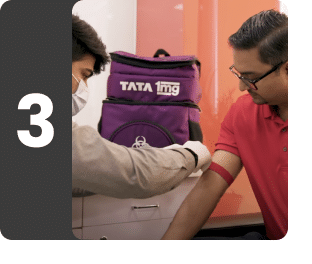
Safe collection
Our phlebotomists follow strict safety protocols to collect samples at home on time.
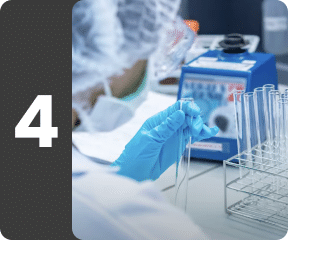
Sample received at lab
Your sample is bought to our laboratory for testing by our qualified experts.
Quick reports, free follow up
Reports are sent to your email. A free doctor follow up is provided to understand the report better



References
- Lipase [Internet]. Rochester, NY: University of Rochester Medical Center; [Accessed 31 Jul. 2023]. Available from:

- Kaufman MB. Drug-induced pancreatitis: A Potentially Serious and Underreported Problem. P T. 2013 Jun;38(6):349-51. [Accessed 31 Jul 2023].Available from:
- Klochkov A, Kudaravalli P, Lim Y, et al. Alcoholic Pancreatitis [Internet]. Treasure Island, Florida: StatPearls Publishing; Jan. 2023 [Accessed 31 Jul. 2023]. Available from:

Recommended for everyone
This package is designed with everyone’s overall health considerations in mind, offering assessments to address a wide range of wellness needs.
Contains 1 test
Report delivery
Standard time
12 hrs
For slots after 11 AM, report will be delivered in 24 hours.
Why is this test booked?
1
The Lipase test can be done:
2
To diagnose acute and chronic pancreatitis.
3
To help determine a blockage in the pancreatic duct.
4
To monitor treatment effectiveness for pancreatitis.
5
To help diagnose other conditions like kidney diseases, gallbladder inflammation, etc.