







Triiodothyronine Total
Also referred as
Total Triiodothyronine
Total T3

For women

Know more about this test

A Triiodothyronine Total measures the level of total triiodothyronine hormone in the blood. This test helps assess overall thyroid function and detect possible thyroid disorders. It is also performed in combination with total T4 and TSH tests as part of a thyroid profile total test.


Samples required
Blood

Find out
Why is this test booked?

Preparations
No special preparation is required.
Packages containing Triiodothyronine Total
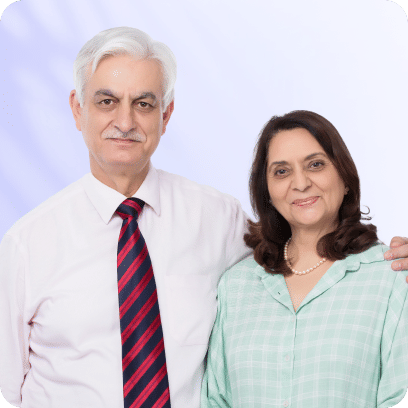
Senior Citizen Health Checkup with Smart Report
Contains 58 testsGet reports within 15-24 hrs
₹1999

Comprehensive Gold Full Body Checkup with Smart Report
Contains 82 testsGet reports within 48-72 hrs
₹4000

Men Health Checkup Advanced with Smart Report
Contains 82 testsGet reports within 48-72 hrs
₹4000

Men Health Checkup with Smart Report
Contains 70 testsGet reports within 48-72 hrs
₹4000

Senior Citizen Health Checkup with Smart Report
Contains 70 testsGet reports within 48-72 hrs
₹4000

Comprehensive Silver Full Body Checkup with Smart Report
Contains 75 testsGet reports within 15-24 hrs
₹1732

Women Wellness Premium Package
Contains 28 testsGet reports within 18-24 hrs
₹1619

Good Health Platinum Package with Smart Report
Contains 46 testsGet reports within 18-24 hrs
₹1299

Senior Citizen Advanced Package
Contains 41 testsGet reports within 18-24 hrs
₹1599

Men Health Premium Package
Contains 26 testsGet reports within 18-24 hrs
₹1619
Test Information is reviewed by: Dr. Swati Gupta (Anand), MBBS, MD Lab Medicine and written by Dr. Lipika Khurana, BDS, PGDHHM . The test details are for information purpose only. Consult a doctor before taking any test. Last updated on: 24th Feb 2026
Did you find information useful ?
 YES
YES  NO
NO 
Book a Triiodothyronine Total test at home near me
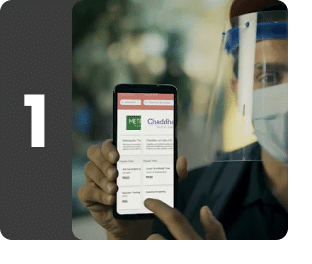
Easy online booking
Search for tests and packages, book a time and select address for seamless at-home lab tests.
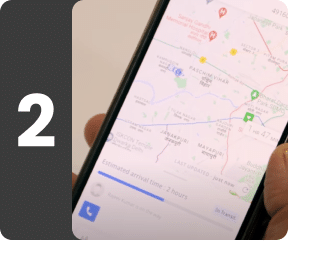
Live tracking of phlebotomist
Stay informed with live tracking of our phlebotomist's location for seamless sample collection.
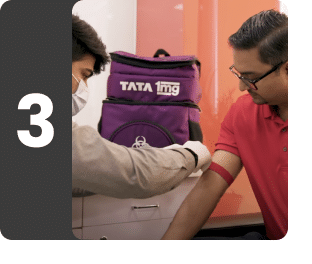
Safe collection
Our phlebotomists follow strict safety protocols to collect samples at home on time.
Sample received at lab
Your sample is bought to our laboratory for testing by our qualified experts.
Quick reports, free follow up
Reports are sent to your email. A free doctor follow up is provided to understand the report better



References
- Thyroid Function Tests [Internet]. Alexandria, VA: American Thyroid Association; [Accessed 07 Feb. 2023]. Available from:

- University of Rochester Medical Center. Free and Bound Triiodothyronine (Blood) [Internet]. NY. [Accessed 07 Feb. 2023]. Available from:
- British Thyroid Foundation. Thyroid Function Test [Internet]. Scotland: British Thyroid Foundation; 2021 [Accessed 07 Feb. 2023]. Available from:
- Block-Galarza J. Thyroid Function Tests [Internet]. Alexandria, VA: American Thyroid Association. [Accessed 07 Jul. 2023]. Available from:
- National Institute of Diabetes and Digestive and Kidney Diseases. Thyroid Tests [Internet]. National Institute of Health; May 2017 [Accessed 07 Feb. 2023]. Available from:
- Adhimoolam M, Arulmozhi R. Effect of antiepileptic drug therapy on thyroid hormones among adult epileptic patients: An analytical cross-sectional study. J Res Pharm Pract. 2016 Jul-Sep;5(3):171-4. [Accessed 07 Jul. 2023]. Available from:
- Basile ML. What Is T3 (Triiodothyronine) [Internet]. EndocrineWeb; 2022 July 06 [Accessed 07 Feb. 2023].

Recommended for women
This package is designed with women's health considerations in mind, offering targeted assessments to address unique wellness needs and potential risks.
Contains 1 test
Report delivery
Standard time
18 hrs
For slots after 11 AM, report will be delivered in 36 hours.
Samples required

Blood
Our phlebotomist will draw a blood sample, typically from a vein in your inner elbow.
Preparations
1
No special preparation is required.
Why is this test booked?
1
A Triiodothyronine Total is done:
2
To measure the levels of total T3 hormone in the body.
3
As part of a thyroid profile-total along with total T4 and TSH tests.
4
To evaluate symptoms suggestive of an imbalance in thyroid hormone levels, such as fatigue, weight loss, hair loss, and changes in heart rate.
5
To diagnose and monitor the treatment of hypothyroidism or hyperthyroidism.
6
To detect an underactive thyroid gland in newborn babies.
7
To evaluate disorders such as thyroid nodules, goiters, and pituitary or hypothalamus gland disorders.